How I Think About AI-Assisted Engineering
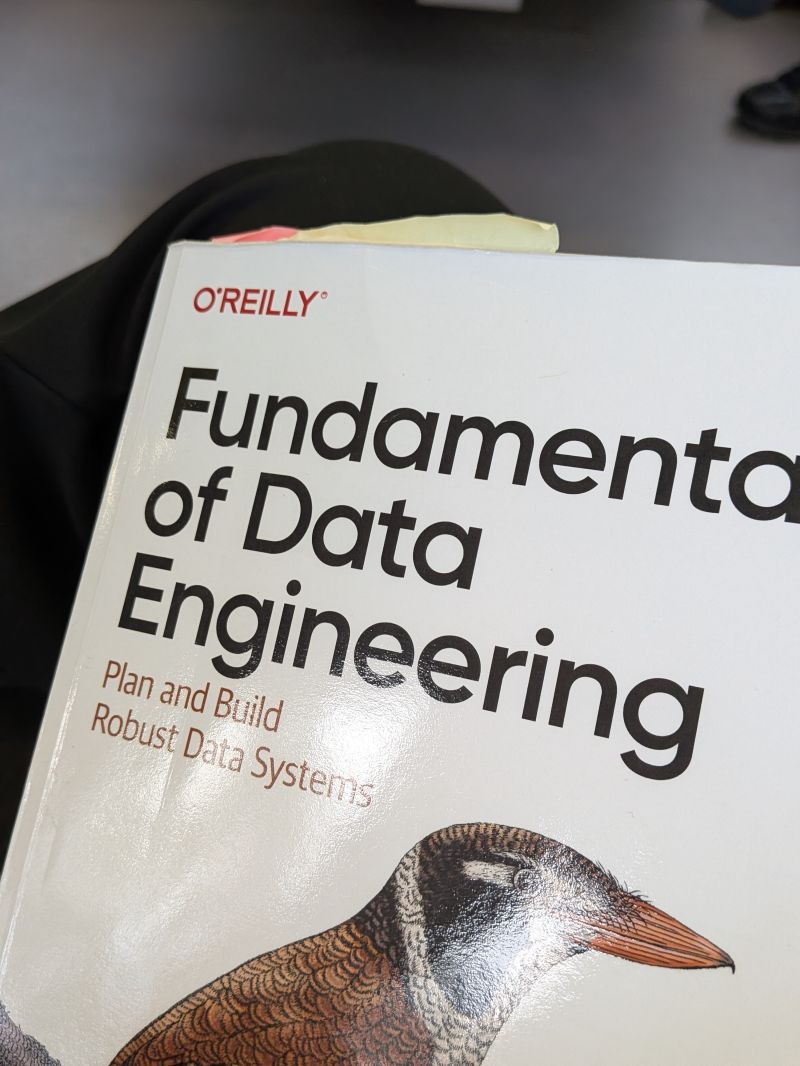
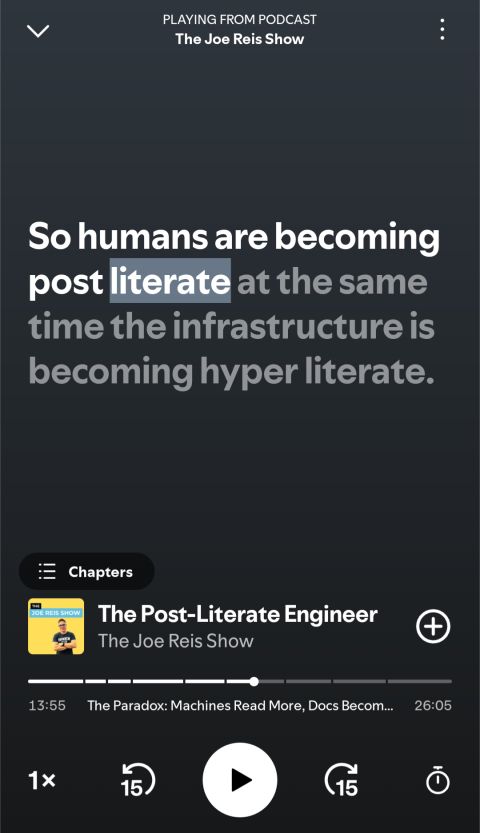
AI has fundamentally changed how I work and learn as a data engineer. I use it to explore ideas, write and review code, troubleshoot problems, and move faster—but I don't want speed to come at the cost of understanding.
One idea that strongly resonates with me is that generation is becoming cheap, while judgment is becoming scarce. AI can generate a pipeline, a data model, SQL, infrastructure, or an architecture in seconds. But producing something isn't the same as understanding why it was designed that way, what trade-offs were made, how it might fail, or whether it was the right solution in the first place.
That's why I think fundamentals matter even more in an AI-assisted engineering world.
I want to understand the systems underneath the abstractions: data modeling, distributed systems, databases, orchestration, architecture, reliability, and the reasoning behind engineering decisions. AI can help me build faster, but I still want to be able to challenge its output and take responsibility for what I ship.
For me, the goal isn't to become better at generating more code. It's to become better at knowing what should be built, why it should be built that way, and whether what was generated is actually good engineering.
That's also why I'm making a deliberate effort to keep learning from experienced engineers—through books, technical writing, podcasts, and building systems myself.
AI is leverage. Understanding is still the foundation.